Everything About the Thyroid and Parathyroid Glands. Is There a Way Out?
Let us start with general information available on the internet.
We asked an artificial intelligence search engine: what happens if you do not treat the thyroid gland? Here is what it answered:
Untreated thyroid disease can lead to serious complications that may affect almost every system of the body and may be the cause of 99% of all illnesses in the body!
Possible consequences:
- Cardiovascular diseases: arrhythmias, heart failure, high or low blood pressure.
- Nervous system problems: irritability, anxiety, depression, impaired memory and concentration.
- Digestive disorders: constipation, diarrhea, bloating.
- Skin problems: dryness, itching, hair loss, brittle nails.
- Muscle weakness: cramps, muscle pain.
- Menstrual irregularities: women may have fertility problems.
- Growth and developmental disorders: especially dangerous for children and adolescents.
- Increased risk of developing other diseases: for example, osteoporosis and diabetes.
It is important to understand that every body is individual, and the consequences may vary depending on the type of disease, its severity, and other factors.
Let us go through it once again, step by step.
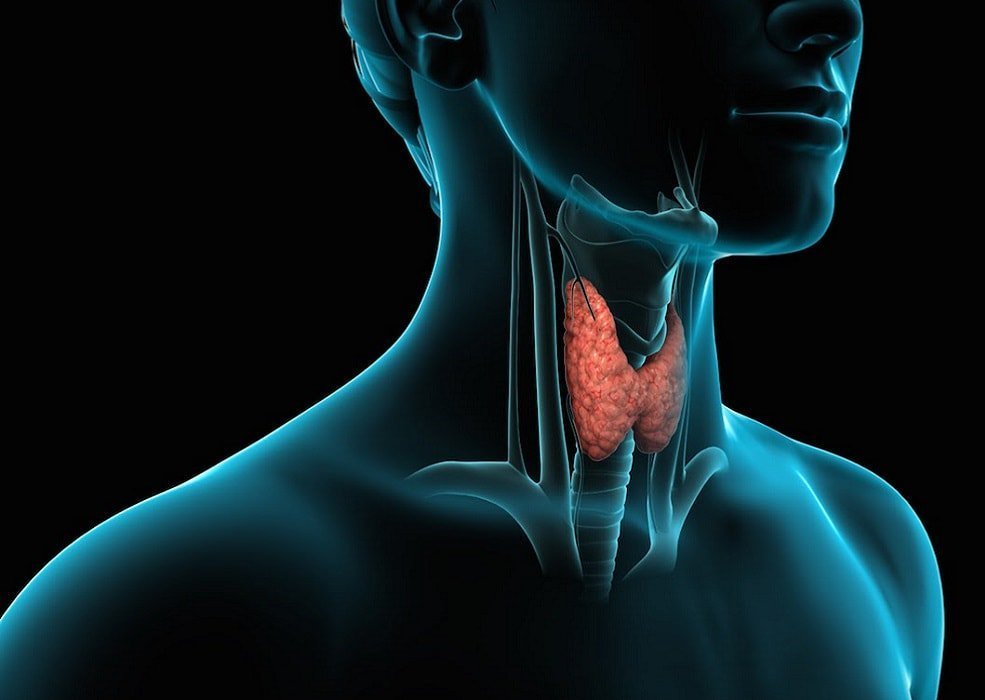
1. There is the thyroid gland
2. There is the parathyroid gland
How they work:
1) The thyroid gland produces the hormones:
a. T3 – triiodothyronine
b. T4 – tetraiodothyronine, or thyroxine
c. Calcitonin
2) The parathyroid gland produces the hormone:
a. Parathyroid hormone
The thyroid gland is the center of recovery for the whole body and the center of destruction for the whole body.
We ask you—use popular artificial intelligence websites and ask how thyroid dysfunction is connected with one disease or another, and it will give you a result. But know that official medicine does not teach this. And if you ask why, I will answer: remember how we all stayed at home with the “fashionable cold” for a year and a half, and they pushed injections on us, and ask yourself who benefited from that, while everyone was isolated.
Let us continue.
Let us list thyroid diseases and their different names:
1. Autoimmune thyroiditis (AIT)
2. Goiter (also Hashimoto’s disease)
3. Graves’ disease
4. Basedow’s disease
5. Hypothyroidism
6. Hyperthyroidism
Let us list parathyroid diseases:
For reference, there is an official disease classification by the WHO from 2022, and according to our iodine researchers, 59 categories of thyroid diseases were identified there.
1. Hypoparathyroidism
2. Hyperparathyroidism
Next, let us give descriptions of these diseases from artificial intelligence on the internet.
Definitions of thyroid diseases and brief descriptions:
1) Autoimmune thyroiditis (AIT)
Autoimmune thyroiditis is a chronic inflammatory disease of the thyroid gland in which the body’s immune system mistakenly attacks its own thyroid cells. This leads to disruption of its function and may cause both increased activity (hyperthyroidism) and decreased activity (hypothyroidism).
Causes of AIT:
- Genetic predisposition: the presence of certain genes increases the risk of developing the disease.
- Autoimmune diseases: AIT is often found in people with other autoimmune diseases such as type 1 diabetes, rheumatoid arthritis, and others.
- Infections: some viral infections may trigger the development of AIT.
- Environmental factors: exposure to certain chemicals or radiation.
Symptoms of AIT:
Symptoms may vary depending on whether the disease causes hyperthyroidism or
hypothyroidism.
In hyperthyroidism:
- Weight loss
- Excessive sweating
- Heart palpitations
- Irritability
- Insomnia
- Tremor
- Bulging eyes (in Graves’ disease)
In hypothyroidism:
- Fatigue
- Drowsiness
- Weight gain
- Constipation
- Dry skin and hair
- Facial swelling
The following may also occur:
Enlargement of the thyroid gland (goiter):
- Sore throat
- Hoarseness
2) Goiter
Goiter is an enlargement of the thyroid gland that may appear as swelling on the front surface of the neck. It is not a separate disease, but a symptom of various thyroid disorders.
Causes of goiter:
- Iodine deficiency: the most common cause. Iodine is necessary for the synthesis of thyroid hormones.
- Autoimmune diseases: when the immune system attacks thyroid cells.
- Tumors: benign or malignant.
- Genetic factors: hereditary predisposition.
- Other diseases: for example, liver or kidney disease.
Symptoms of goiter:
- Enlarged neck: visibly noticeable swelling.
- Feeling of pressure in the throat: especially when the goiter is large.
- Voice changes: the voice may become hoarse.
- Difficulty swallowing or breathing: if the goiter is significantly enlarged.
In addition, goiter may be accompanied by symptoms related to thyroid dysfunction:
- Hyperthyroidism (thyrotoxicosis): weight loss, excessive sweating, palpitations, irritability, insomnia.
- Hypothyroidism: fatigue, drowsiness, weight gain, constipation, dry skin and hair, facial swelling.
Goiter may also occur without symptoms and be discovered accidentally during a preventive examination.
3) Graves’ disease: what is it?
Graves’ disease is an autoimmune disorder in which the thyroid gland produces too many hormones. This leads to a condition called hyperthyroidism.
Why does Graves’ disease occur?
Our immune system normally protects us from infections. But in Graves’ disease,
immune cells attack the cells of the thyroid gland, causing it to work too
actively.
What symptoms are typical of Graves’ disease?
- Weight loss: despite a good appetite
- Increased sweating: even at low temperatures
- Palpitations: rapid pulse, feeling the heartbeat
- Irritability: feelings of anxiety, nervousness
- Insomnia: difficulty falling asleep and staying asleep
- Tremor: shaking in the hands and legs
- Bulging eyes: a characteristic symptom, though not in everyone
- Enlarged thyroid gland: visible swelling in the neck
4) Basedow’s disease: briefly and clearly
Basedow’s disease is an autoimmune disease in which the thyroid gland produces too many hormones. This leads to a condition called hyperthyroidism.
Why does Basedow’s disease occur?
Our immune system usually protects us from infections. But in Basedow’s
disease, immune cells mistakenly attack thyroid cells, forcing the gland to
work too actively.
What symptoms are typical of Basedow’s disease?
- Weight loss: despite a good appetite
- Excessive sweating: even at low temperatures
- Heart palpitations: rapid pulse, feeling of heartbeat
- Irritability: anxiety, nervousness
- Insomnia: difficulty falling asleep and staying asleep
- Tremor: shaking in the hands and legs
- Bulging eyes: a characteristic symptom, though not in everyone
- Enlarged thyroid gland: visibly noticeable swelling in the neck
5) Hyperthyroidism
With increased thyroid function, the body works “to the point of exhaustion,” which may lead to depletion.
6) Hypothyroidism
With reduced thyroid function, all processes in the body slow down, which may lead to swelling, weight gain, and other problems.
Now about parathyroid diseases
There is no single term that describes all parathyroid diseases in one word.
The parathyroid glands are small endocrine glands located on the back surface of the thyroid gland. Their main function is to regulate calcium levels in the blood.
1) The most common disease of the parathyroid glands is hyperparathyroidism.
This condition occurs when the parathyroid glands produce too much parathyroid hormone, which leads to increased calcium levels in the blood.
2) Other parathyroid diseases:
Hypoparathyroidism – insufficient function of the parathyroid glands, leading to low calcium levels in the blood.
- Parathyroid tumors: both benign (adenomas) and malignant.
- Congenital abnormalities of the parathyroid glands: rare conditions associated with impaired development of these glands.
According to our knowledge, experience, and scientific research, all these diseases are treated with iodine therapy, which is exactly why our nano-iodine was created.
According to official medicine, the treatment methods are different and do not lead to a cure, but rather the opposite.
So how does healing of these thyroid and parathyroid diseases happen according to our treatment protocol?
You consume our nano-iodine for an average of 2 years, the body becomes saturated with iodine, and the functions of the thyroid and parathyroid glands are restored. In particular, the thyroid and parathyroid glands begin producing high-quality hormones.
Let us not forget that the hormones T3 and T4 contain 3 and 4 iodine atoms respectively, so iodine must be supplied for them.
Our nano-iodine also corrects DNA to a healthy state, carries out correction, stimulation, and activation of the immune system, and in the process eliminates all types of autoimmune diseases.