
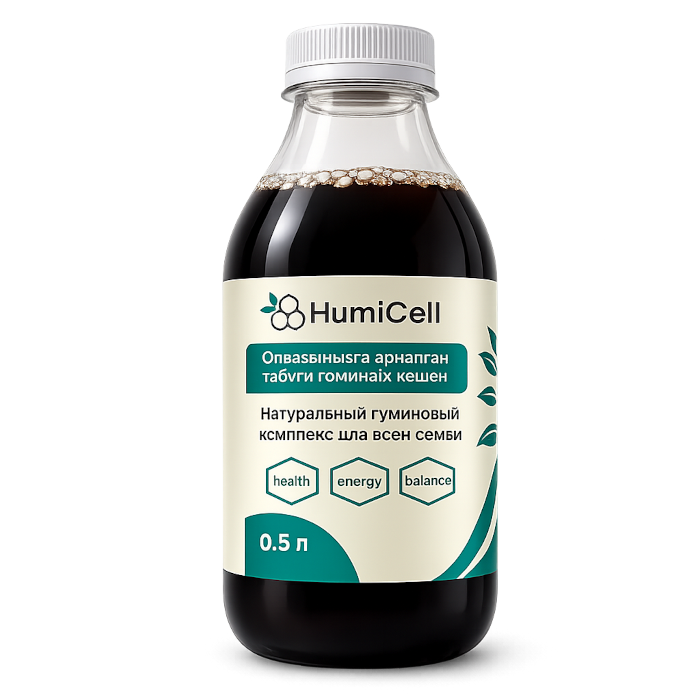
Comprehensive Information on Humic Acids
1. HUMIC ACIDS
(Humic acids) — Chemical and Biological Nature
Humic acids are high-molecular-weight polyfunctional organic compounds containing:
- carboxyl groups (–COOH)
- phenolic hydroxyl groups (–OH)
- aromatic rings
This structure determines their sorption, ion-exchange, and antioxidant properties.
Mechanisms of Action
1. Enterosorption and Detoxification
Humic acids:
- possess pronounced chelating capacity
- bind cations of heavy metals (Pb²⁺, Hg²⁺, Cd²⁺)
- form stable, insoluble complexes
Important:
They are not absorbed into systemic circulation and act locally in the
intestines, which reduces the risk of systemic side effects.
Their mechanism is comparable to medical enterosorbents, but is considered more physiologically balanced.
2. Barrier Protection of the Gastrointestinal Mucosa
Studies show that humic acids:
- form a protective film on the intestinal epithelium
- reduce permeability of the intestinal barrier
- decrease the contact of toxins and allergens with the mucosal surface
This is particularly relevant in:
- increased intestinal permeability syndrome (leaky gut)
- chronic gastrointestinal inflammation
- diarrheal syndromes
3. Anti-Inflammatory Effects
Mechanism:
- reduction of pro-inflammatory cytokine production (TNF-α, IL-6)
- binding of bacterial endotoxins (lipopolysaccharides)
The effect is immunomodulatory rather than immunosuppressive.
4. Antioxidant Activity
Phenolic groups:
- neutralize free radicals
- interrupt lipid peroxidation chain reactions
This is especially important in:
- chronic inflammation
- metabolic stress
- intoxication conditions
Clinical Positioning
Humic acids are appropriate when the goal is:
- detoxification
- gastrointestinal support
- reduction of inflammatory burden
- recovery after infections and antibiotic therapy
(local intestinal action, detoxification)
Conditions and Disorders Where Use May Be Justified
1. Intoxication and Toxic Load
- chronic exposure to heavy metals
- environmental and occupational intoxication
- accumulation of mycotoxins
- endogenous intoxication syndrome associated with constipation and dysbiosis
Rationale: enterosorption and binding of toxins and endotoxins in the intestine.
2. Gastrointestinal Disorders
- irritable bowel syndrome (IBS)
- chronic gastritis (outside acute exacerbation)
- chronic colitis
- functional diarrhea
- increased intestinal permeability syndrome (leaky gut)
Rationale: protective mucosal coating, anti-inflammatory effects, and reduced epithelial permeability.
3. Dysbiosis and Post-Antibiotic Conditions
- disruption of intestinal microbiota after antibiotics
- bloating and unstable stool
- increased intestinal sensitivity
Rationale: binding of bacterial toxins and creation of a favorable environment for microbiota recovery.
4. Allergic and Pseudo-Allergic Conditions
- food intolerance
- gastrointestinal-associated atopic reactions
- histamine reactions of intestinal origin
Rationale: reduction of antigenic load through the intestinal barrier.
5. Inflammatory and Metabolic Conditions
- low-grade chronic systemic inflammation
- metabolic syndrome (as part of a comprehensive approach)
Rationale: binding of lipopolysaccharides and reduction of inflammatory signaling originating from the intestine.
Conclusion
“Humic acids function as a physiological intestinal detox agent — they are not absorbed, do not burden the liver, and help reduce the toxic load on the body.”